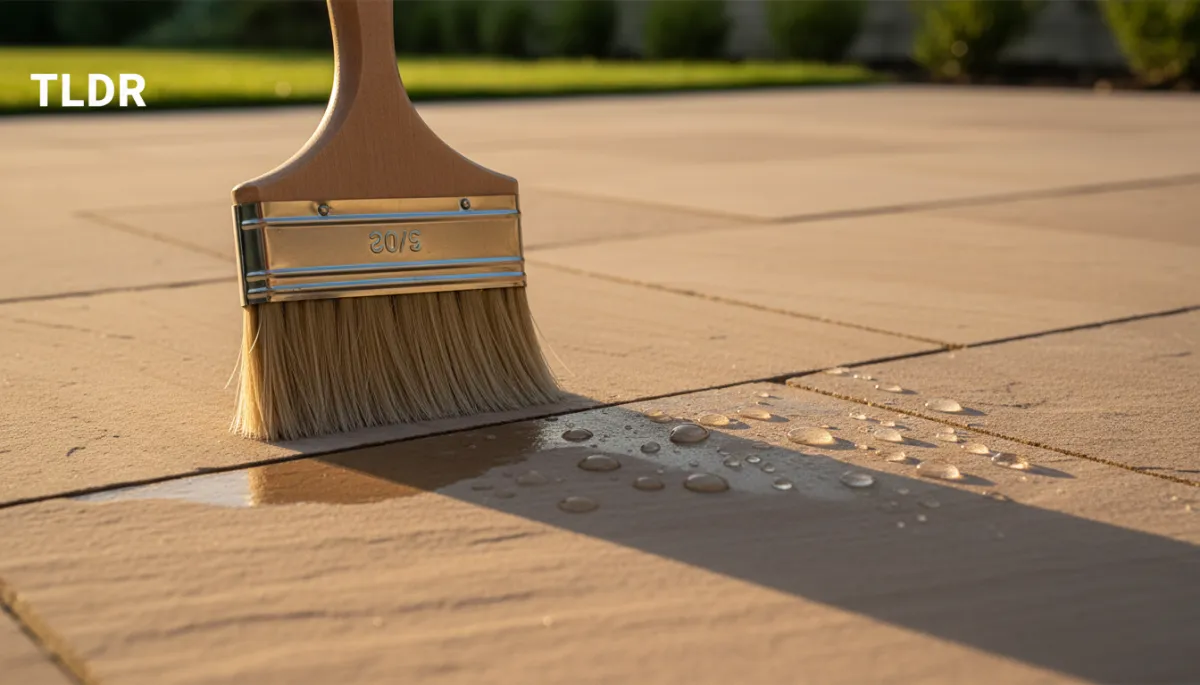
Sealing Patios in Dublin: Protect Your Outdoor Space
Patios, Natural Stone, Outdoor Living, Dublin Homes
TLDR
If you are wondering, “should you seal your patio?”, the short answer is: for most Dublin patios—especially natural stone, concrete, and many porcelains—yes, sealing is one of the best ways to protect your investment in our wet Irish climate. The right patio sealer in Ireland helps stop water, stains, moss, and frost damage, keeping your outdoor space looking richer, cleaner, and easier to maintain for years.
Not every surface needs the same approach, though, and timing and preparation are crucial. Done properly, sealing is a simple step that makes a big difference—done badly, it can trap moisture or leave patchy marks, which is why many homeowners choose a professional patio sealing Dublin service instead of taking a risk.
What patio sealing actually does for a Dublin home
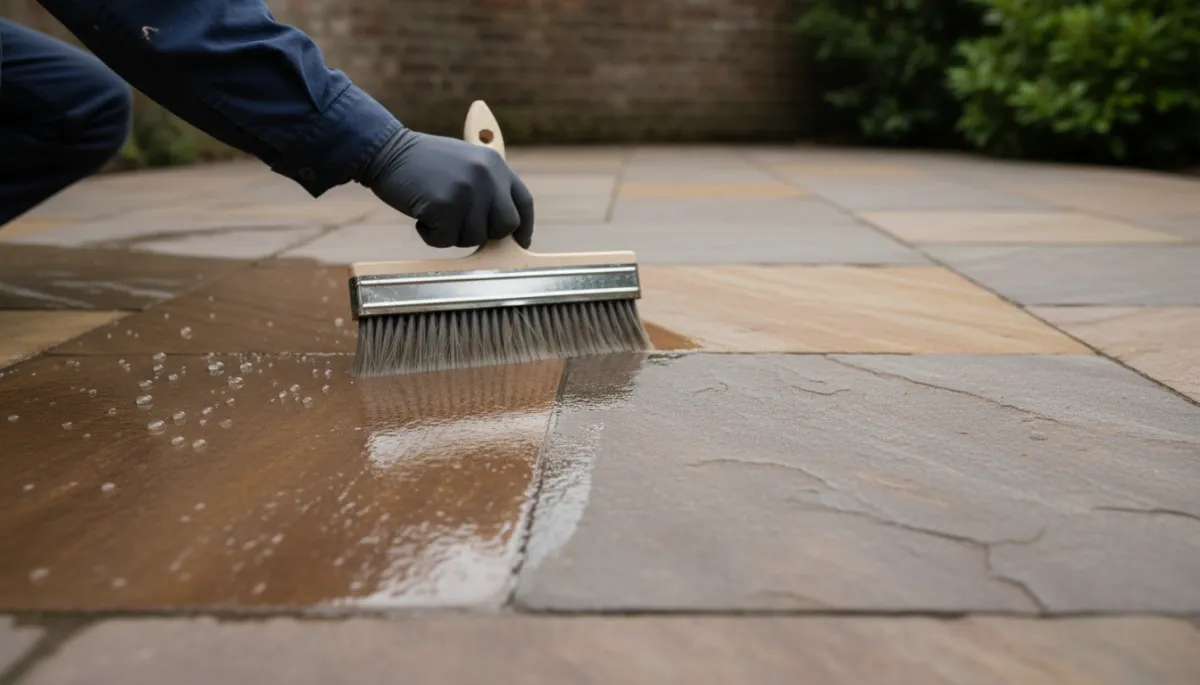
Think of sealing as a breathable raincoat for your patio. A good patio sealer Ireland products are designed to sit within or just on top of the surface, helping it shrug off the worst of our Atlantic weather while still allowing the stone to breathe. It is not a thick, shiny varnish—unless you choose a specific gloss finish—but a subtle layer of protection you barely notice when it is done well.
- Blocks moisture ingress: In Dublin, rain is a given. Sealing helps reduce how much water soaks into the patio, lowering the risk of frost damage when temperatures drop and water freezes in tiny pores and hairline cracks.
- Resists staining: Barbecues, plant pots, red wine, and muddy paws can all leave marks. A sealed surface is far less likely to absorb these spills, giving you time to wipe them away before they become permanent.
- Helps control moss and algae: Moss and algae thrive on damp, porous surfaces. By reducing water absorption, sealing makes it harder for these to take hold so quickly—especially useful on shaded or north-facing patios.
- Enhances colour and character: Many sealers gently deepen the natural tones of stone, bringing out the texture and variation that made you choose that patio in the first place. For older patios, sealing after a thorough clean can make them look refreshed and more even in tone.
When combined with occasional keeping your patio looking great year-round maintenance, sealing is one of the simplest ways to extend the life of your outdoor living space.
Which patio materials benefit most from sealing (and which do not)
Not every patio is the same, and neither is every patio sealer. Choosing the right product—and knowing whether you need one at all—depends on your material.
- Natural stone patios: Limestone, sandstone, and granite are popular choices for natural stone in your garden. These stones are often porous to varying degrees, so sealing is usually highly recommended—especially for lighter colours that show stains more easily. For example, limestone paving can be particularly vulnerable to acid spills and weathering without the right sealer.
- Porcelain patios: Quality outdoor porcelain is generally less porous than natural stone and often marketed as “low maintenance.” Many porcelain slabs do not strictly need sealing, but the grout joints usually do, and some homeowners like to seal to make cleaning even easier. If you decide to seal porcelain, you will need a specialist product designed for very low-porosity surfaces.
- Concrete slabs and pressed flags: Concrete is naturally porous, so sealing can dramatically reduce staining and surface wear. It also helps prevent that patchy, dirty look that concrete can develop over time, especially near driveways or busy walkways.
- Some very dense stones: Certain polished granites or already factory-treated stones may not need sealing, or may only need a very specific type. In these cases, less is more—using the wrong product can leave a film or streaks on the surface.
If you are planning new patio installation in Dublin, it is worth deciding on your sealing approach at design stage. That way, the stone, grout, and sealer all work together as a system, rather than as an afterthought.
Clear signs your patio needs sealing now
Wondering whether your existing patio is due a bit of care? These are practical, easy-to-spot signs that sealing—or re-sealing—would help:
- Water no longer beads: After rain, does the water sit on the surface in little droplets, or does it soak straight in and darken the stone? If there is no beading at all, any previous sealer has likely worn off.
- Colour has faded or looks “chalky”: UV light, dirt, and repeated cleaning can leave stone looking dull and washed out. Sealing after a professional clean can revive the depth of colour and help it stay that way longer.
- Moss and algae keep coming back quickly: If your patio goes green within weeks of cleaning, sealing can slow that cycle down by making the surface less welcoming to growth.
- The surface feels very porous or rough: On some stones, you can almost feel the open texture with your hand. A good sealer will not make it slippery, but it can reduce that thirsty, powdery feel.
If you are already investing in patio cleaning Dublin services or regular power washing, adding sealing afterwards helps lock in that freshly cleaned look for much longer.
When to seal your patio: timing matters in Ireland
With our changeable Irish weather, timing your patio sealing Dublin project is almost as important as the product you choose. There are three key considerations: curing time, moisture, and temperature.
- Let new patios cure first: Freshly laid stone or concrete needs time to settle and release moisture and salts. As a rule of thumb, allow at least 3–6 months before sealing, depending on the material and how exposed the area is. Your installer can advise on the ideal window for your specific patio.
- Choose a dry spell: Sealer should always go onto a clean, dry surface. That means picking a period with at least 24 hours of dry weather before and after application—no small feat in Dublin, but worth waiting for to avoid trapping moisture.
- Avoid the depths of winter: Cold, damp conditions slow curing and can affect how evenly the sealer absorbs. Late spring to early autumn is usually the safest window, though mild, dry days outside that range can work with the right planning.
DIY patio sealing: what is realistic, and what can go wrong
Many homeowners are tempted to pick up a tub of patio sealer and get stuck in—and on some surfaces, that can be perfectly reasonable. On others, a DIY attempt can create problems that are hard to undo.
DIY can work well when: you have a small, straightforward area, such as a compact porcelain terrace or a simple concrete path, and you are using a reputable, easy-to-apply product. With careful cleaning, dry weather, and patient application with a roller or brush, you can achieve a decent result.
DIY often goes wrong when:
- The wrong product is used for the stone type—acid-sensitive stones like limestone can react badly to certain cleaners or sealers, leading to etching or discolouration.
- The patio is not cleaned properly first, so dirt and algae are sealed in, leaving dark patches you cannot simply wash away later.
- Too much product is applied, or it is not spread evenly, leading to shiny, patchy, or sticky areas that attract dirt and can become slippery when wet.
- Moisture is trapped under the sealer, causing whitening, peeling, or a cloudy appearance—especially frustrating on darker stones.
Stripping a failed sealer from a natural stone patio can be time-consuming and costly, which is why many people decide to get it right the first time with professional help.
When professional patio sealing makes sense in Dublin
If you have invested in a beautiful patio installation in Dublin, it is natural to want it protected properly. A specialist team like Peninsula Stone starts by assessing your patio—its stone type, age, previous treatments, and how it is used—before recommending a suitable sealer and preparation plan.
Professional sealing typically includes a thorough, sensitive clean, often combining gentle power washing with specialist cleaners where needed, followed by careful drying time. Only then is the sealer applied in the right number of coats, at the right coverage rate, so it penetrates evenly without leaving a film on the surface.
The result is a sealing job that supports everyday life—family gatherings, pets, Irish weather and all—rather than a quick fix. If you are still asking yourself “should you seal your patio?” and are unsure where to start, you can book a free consultation with Peninsula Stone to talk through your options, from sealing a natural stone patio Dublin homes love, to refreshing older concrete or porcelain spaces.
With the right advice, a suitable patio sealer, and careful application, your patio can stay safer, cleaner, and more beautiful—so you can simply enjoy being outside, rather than worrying about every spill or rain shower.


